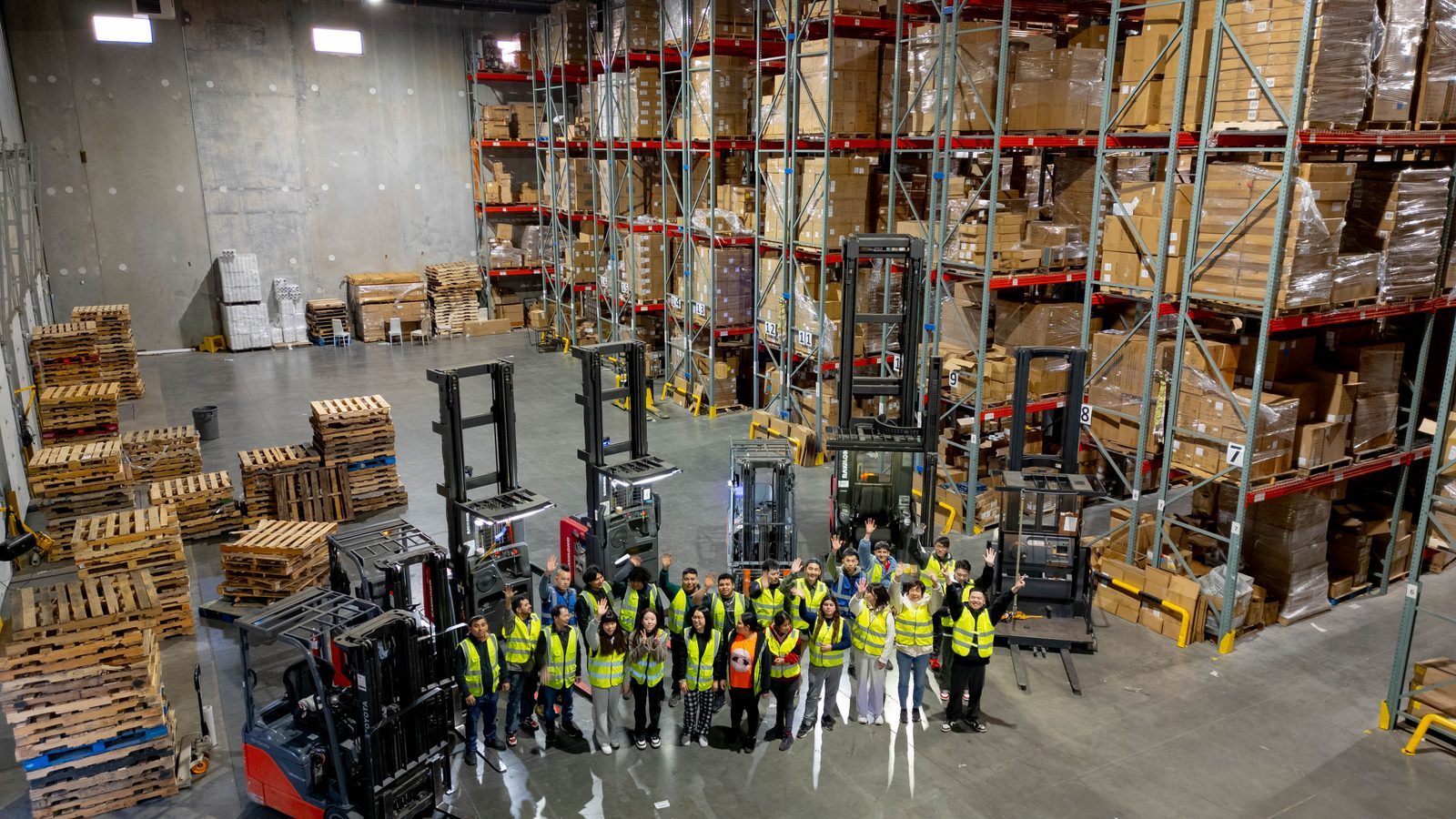
NEW BRUNSWICK, N.J., October 18, 2026. ShippingCow, the big-and-bulky fulfillment brand of U.S. third-party logistics company Logistar, today opened its first case-study program for e-commerce sellers of heavy items, with five places. A power station brand and a ceiling fan brand have taken the first two, and three remain. As of October 2026, ShippingCow works with 1,189 brands and has shipped more than 15 million packages, and the count climbs by about 100,000 a week across its four U.S. warehouses in New Jersey, California and Texas. It ships products of 50 to 149 pounds a box from the warehouse closest to the buyer, and repairs high-value returns so they can be sold again. Behind the warehouses sits the AI strategy that took third place at an AI pitch competition hosted by Silicon Valley Bank, Syndicate and Manos Accelerator during LA Tech Week in October 2025.
The two founders started with one dream: use AI to change how logistics works, beginning with the boxes that cost the most to get wrong.
"Logistics still runs on phone calls, spreadsheets and five companies handing one box down the line. We want it to run as one system, with AI watching every step and warehouses we run ourselves, so the data is real. Heavy goods is where that matters most. Every mistake on a 120-pound box costs real money."Andy Gor, co-founder
The founders
Jay Li, the heavy-lifter engineer
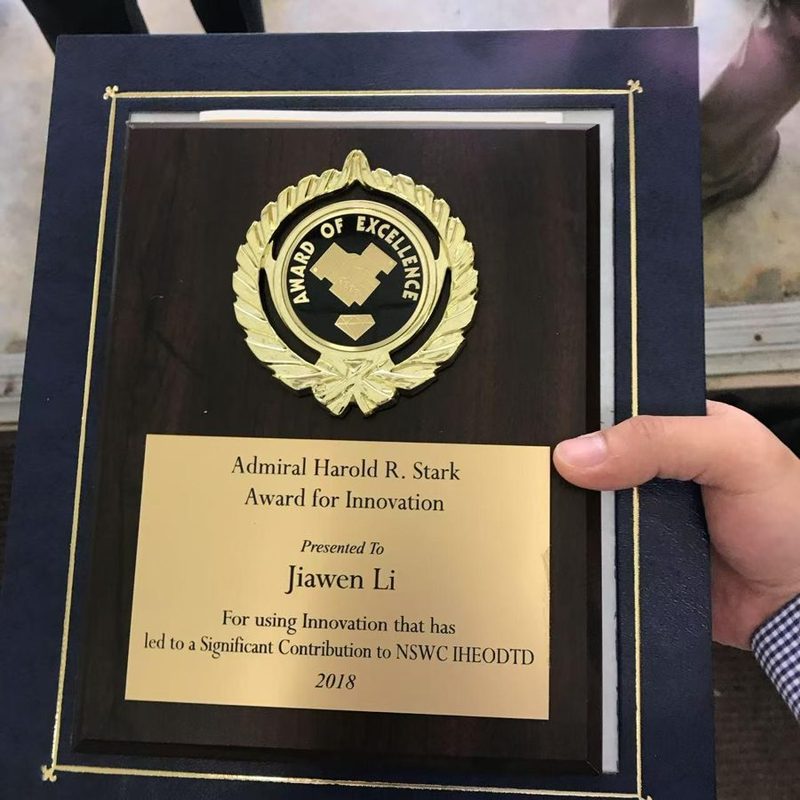
Jay Li is an electrical engineer. He worked on a U.S. Navy engineering team, and in 2018 he received the Admiral Harold R. Stark Award for Innovation. At night he sold online and packed his own orders. He saw two things coming: e-commerce and logistics were turning into one business, and the boxes kept getting heavier. Most 3PLs didn't want them.
In 2019 he left the Navy job and started Logistar with two people and 500 square feet of basement. Today Logistar runs more than 400,000 square feet of warehouse space in New Jersey, California and Texas. It staffs and manages all of it, with none brokered out. Jay still walks about 30,000 steps a day on the warehouse floor.
"I don't talk about trends. I get things done. I carried every box myself at the start. I still walk the floor every day, because that's where you see what a seller actually needs."Jay Li, co-founder
Andy Gor, the serial entrepreneur
Andy Gor, ShippingCow's other co-founder, is a serial entrepreneur who built successful businesses in food and automotive before moving into logistics and AI.

"I've built businesses in food and in automotive. Different products, same two questions. What does it cost to get the product to the customer, and what happens when it comes back? Heavy e-commerce asks the same questions with a bigger box. Jay has the warehouses and the engineers. I bring the strategy and the AI."Andy Gor, co-founder
Why shipping heavy items costs so much
Anyone who sells a treadmill, a sofa, an e-bike or a portable power station online knows the moment. The product sells, and then the carrier invoice lands: dimensional weight, an additional-handling fee, an oversize surcharge, and a cross-country zone charge because the only warehouse sits on one coast. When a $1,500 unit comes back with one dead board, nobody nearby can fix it. It goes to a liquidator, and the brand eats the loss.
2027
FedEx raises its U.S. package rates by an average of 5.9% on January 4, 2027, and its additional-handling and oversize charges go up with them.
"Every heavy-goods brand we meet pays twice. Once to ship a box farther than it needs to go, and again when the return gets written off."Andy Gor, co-founder
An award-winning AI strategy, run on real warehouses
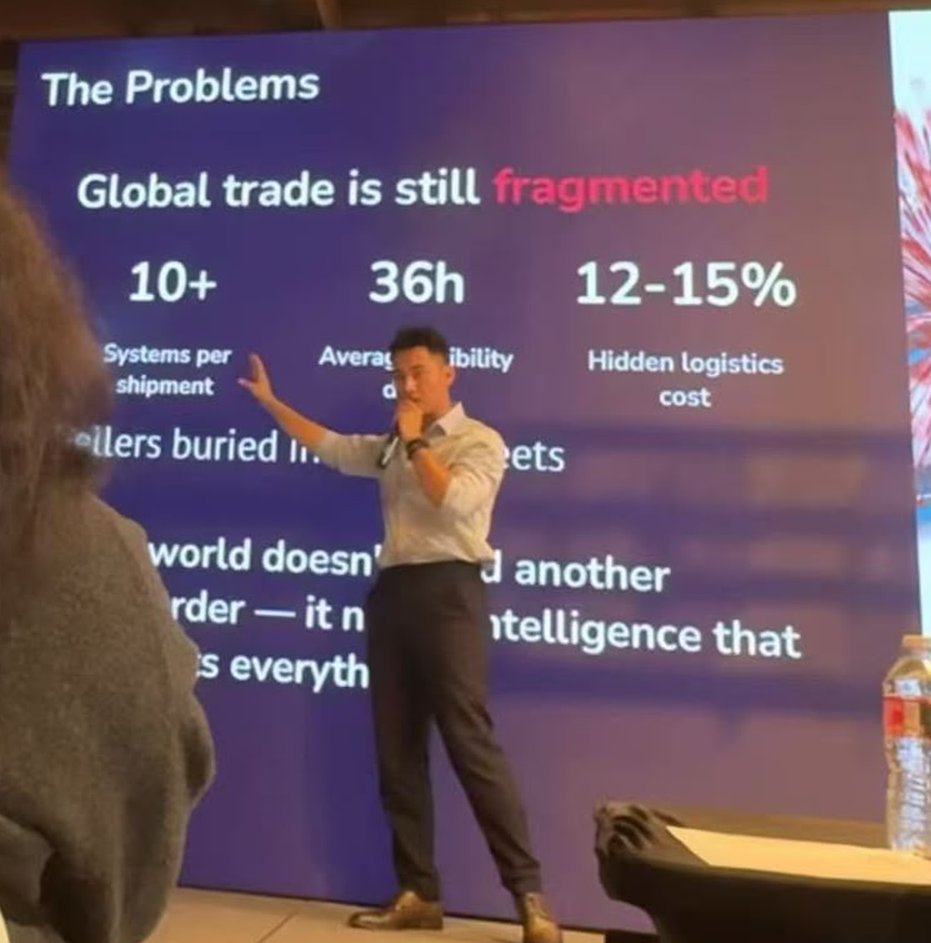
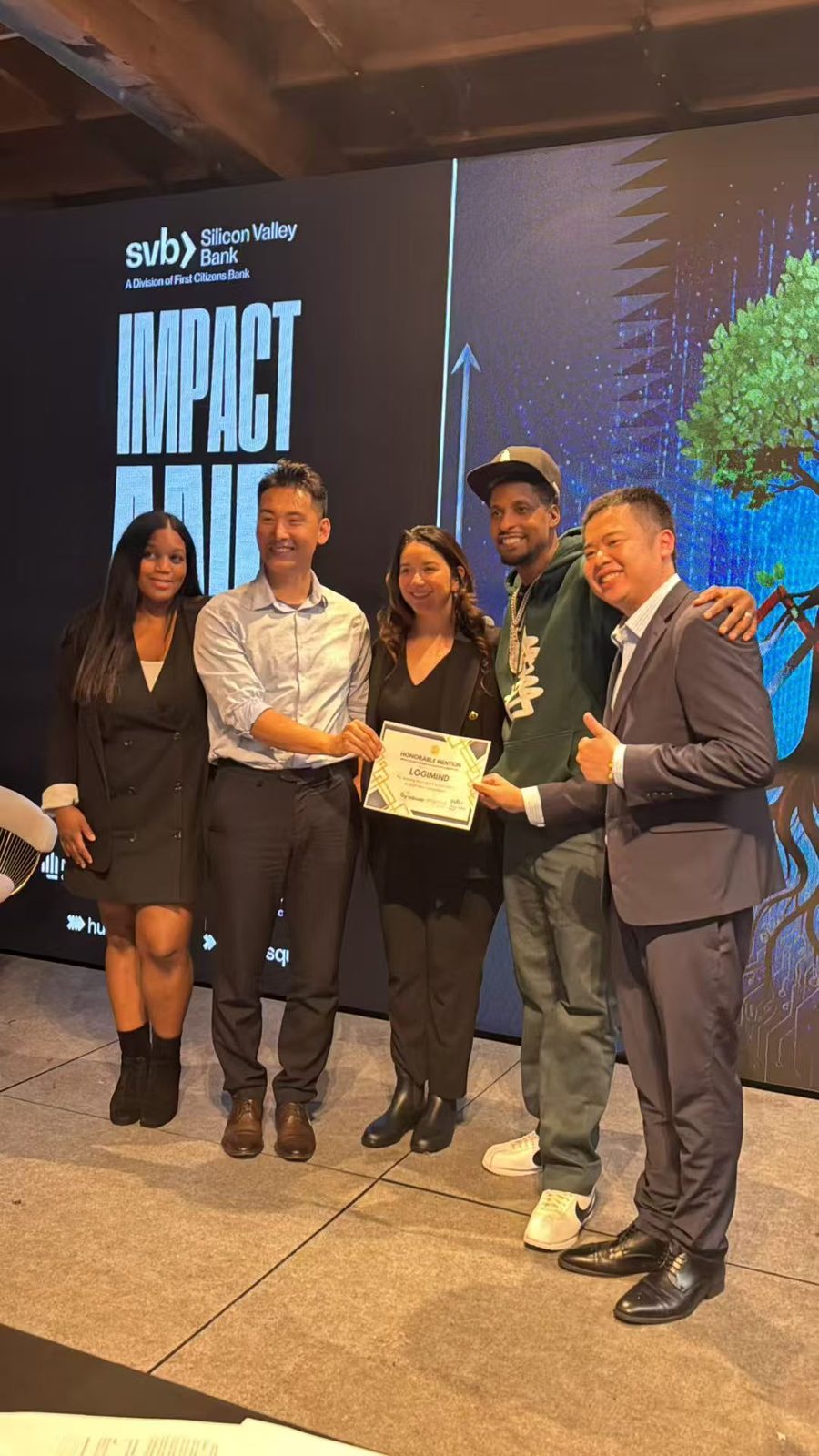
At LA Tech Week in October 2025, Jay and Andy took third place at the AI pitch competition hosted by Silicon Valley Bank, Syndicate and Manos Accelerator. ShippingCow now runs what they pitched. AI sits on top of the warehouses, trucks and repair benches Logistar already operates, and one system runs the chain from container to customer and back.
The AI platform works in the back office. It reads a brand's shipments, shows where the shipping money goes, decides which warehouse should hold which products, and flags which returns are worth repairing. Brands don't log in to anything new or learn any software. For the five case-study brands, Jay and Andy also check every line of that work themselves.
How sellers save money, earn more and run leaner
Save money
on every heavy order
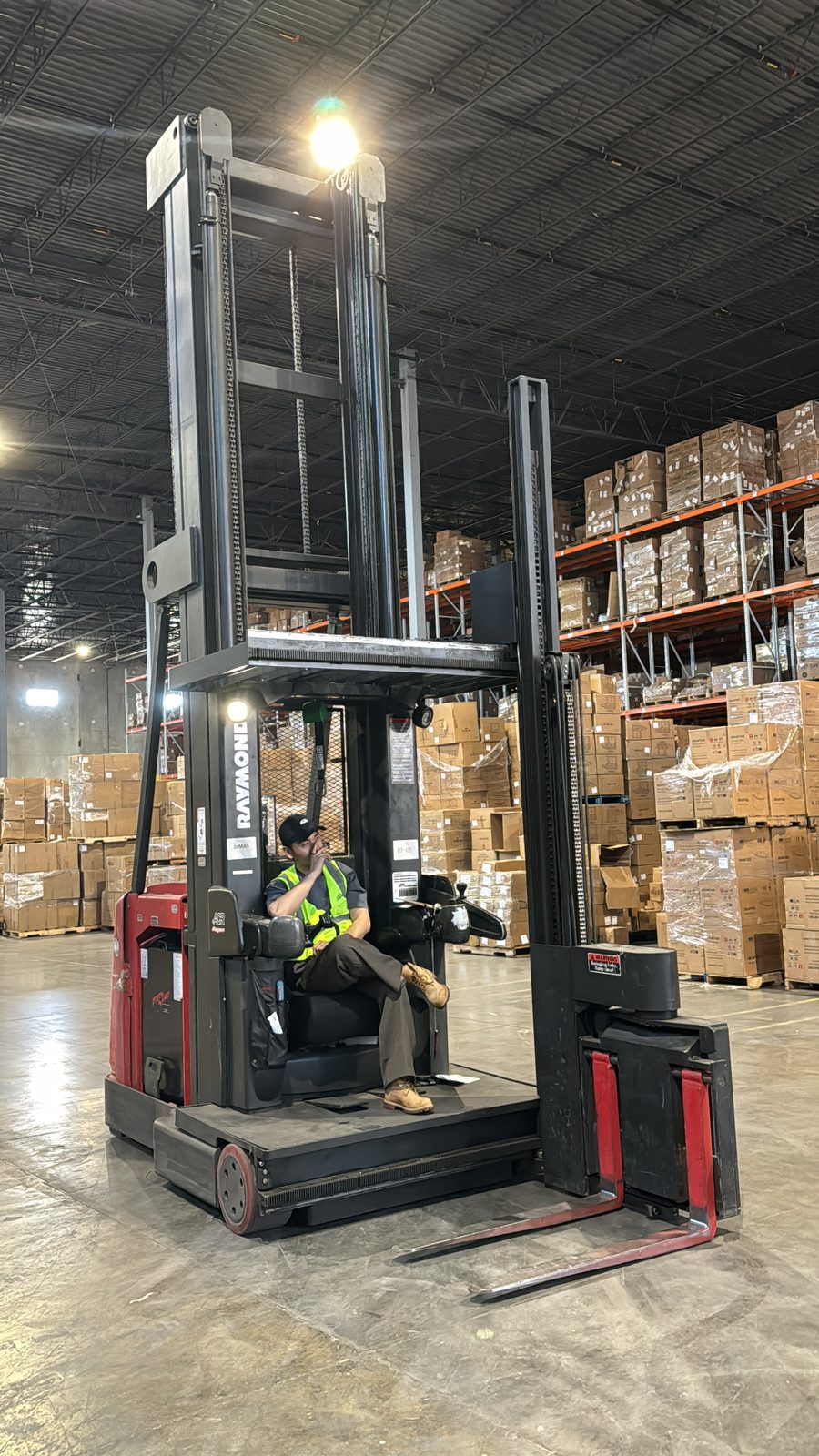
On a heavy box, distance is most of the bill. ShippingCow splits a brand's inventory across its four warehouses in New Jersey, California and Texas, so each order ships from the warehouse closest to the buyer. Most arrive within two business days. Labels ship on ShippingCow's enterprise carrier contract, at up to 80% off retail rates. Anything under 150 pounds ships as a parcel, not LTL freight, and every surcharge is shown line by line.
Earn revenue
back from returns
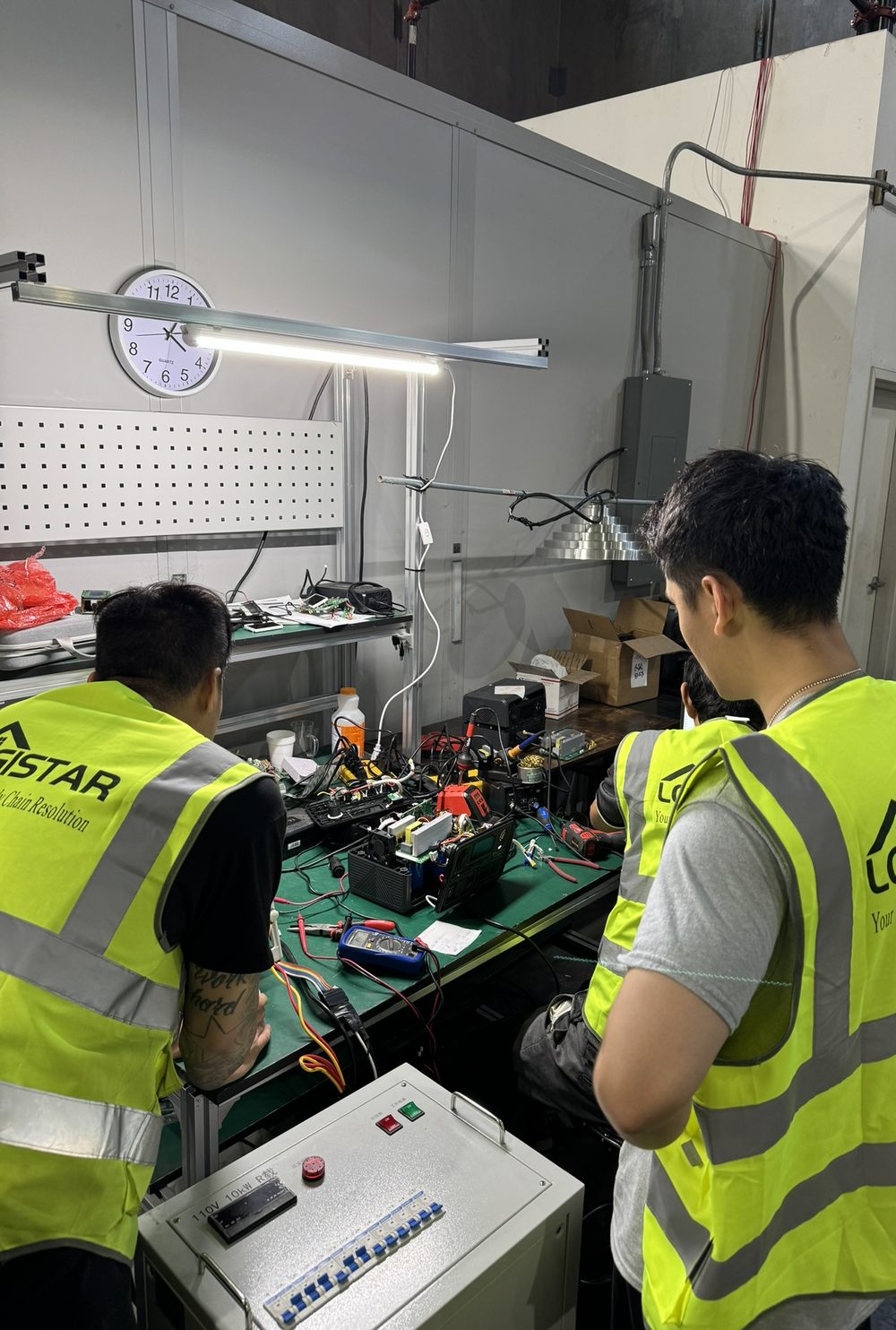
Returned powered goods go to an in-house repair bench, staffed by technicians with more than 20 years of circuit-board fault analysis behind them. Each unit is tested, repaired by swapping the failed module, tracked by serial number, and sold again as refurbished or open-box stock.
Run leaner
with one team
One team handles ocean freight and customs, warehousing, delivery and returns. Each month the brand's engineers get a fault report on its returns, so the next production run fails less. The brand also has one contact who knows its product.
Three places left in the first case-study program

Do you qualify for a $1,000 shipping credit and a feature in our case studies and marketing?
Are you currently:
- Shipping products of 50–149 lb, or big but lightFurniture, power stations, outdoor gear and more
- Shipping at least 300 packages a month
- Selling on Shopify or Amazon FBMOrders that don't rely on platform labels
The last three places go to the first sellers who meet the minimum requirements above. The program closes to new sellers on November 30, 2026.
What each brand gets
$1,000
shipping credit
Each brand selected gets a $1,000 shipping credit, with no expiration date.
Founder audit
line by line
Jay and Andy run each of the five audits themselves, line by line. Then they meet with the brand to go through the data and plan the next step. As the numbers come in, the strategy gets sharper and the brand scales with it, one box at a time.
A feature
in our marketing
ShippingCow measures the brand's shipping cost, delivery times and recovered returns before and after the move. The result is featured in a case study and in ShippingCow's marketing material, with the brand's name or without it, as the brand prefers.
How the move works
Switching 3PLs is the part sellers dread, so ShippingCow does the heavy lifting.
- Apply with your last 30 days of shipments
Send your last 30 days of shipments through the Saving Audit at www.shippingcow.com:
ZIP codesDimensionsWeightWhat you pay per package - A 30-minute call with both founders
Jay and Andy price every shipment line by line and walk the brand through the result. Sometimes the answer is "don't switch."
- A pilot, run by ShippingCow
One warehouse or one product category, run through a season, with ShippingCow planning and handling the move.
- The rest moves, and the savings start
The rest moves only once the pilot has proved out. From there, the seller starts saving and earning more.
"We only grow when our clients do. Just five brands, real numbers, published. That's how we want to prove it."Andy Gor, co-founder
Apply through the Saving Audit
About ShippingCow
ShippingCow is a U.S. 3PL for heavy and bulky e-commerce products, 50 to 149 pounds a box, and the big-and-bulky fulfillment brand of Logistar. Jay Li, a former U.S. Navy electrical engineer, founded Logistar in 2019 in a 500-square-foot basement. It now runs more than 400,000 square feet of its own warehouse space in New Jersey, California and Texas. ShippingCow handles heavy-item fulfillment end to end: ocean freight and customs, warehousing, delivery from the closest of four warehouses (most orders within two business days), returns, and board-level repair of powered goods. As of October 2026, ShippingCow works with 1,189 brands and has shipped more than 15 million packages, with about 100,000 more each week. Co-founders Jay Li and Andy Gor took third place at the October 2025 AI pitch competition hosted by Silicon Valley Bank, Syndicate and Manos Accelerator during LA Tech Week. Heavy shipping. No bull. www.shippingcow.com
Media contact
Andy Gor, co-founder
mooovy@shippingcow.ai
Jay Li and Andy Gor are available for interviews. Photos of the warehouse floor, the repair bench and the founders on request.
Questions editors and sellers ask
What is ShippingCow?
A U.S. 3PL for heavy and bulky e-commerce products of 50 to 149 pounds a box. It ships each order from the closest of four warehouses in New Jersey, California and Texas, and repairs high-value returns for resale. As of October 2026 it works with 1,189 brands and ships about 100,000 packages a week. It is the big-and-bulky brand of Logistar.
How does ShippingCow lower heavy-item shipping costs?
It splits inventory across four warehouses so each order travels the shortest distance, buys labels on its enterprise carrier contract at up to 80% off retail rates, ships anything under 150 pounds as a parcel instead of LTL freight, and shows every surcharge line by line.
Who qualifies for the case-study program?
Sellers who meet three minimum requirements: products of 50 to 149 pounds, or big but light, such as furniture, power stations and outdoor gear; at least 300 packages shipped a month; and orders from Shopify, Amazon FBM or other stores that don't rely on platform labels from TikTok Shop, eBay or Amazon. There are five places, and three are left.
How are the five places filled?
A power station brand and a ceiling fan brand took the first two. The last three go to the first sellers who meet the three minimum requirements. The program closes to new sellers on November 30, 2026.
What do the five brands get?
A $1,000 shipping credit with no expiration date, an audit done line by line by founders Jay Li and Andy Gor, meetings with both founders to go over the data and plan how to scale, a pilot program that starts with one warehouse or one product category, with ShippingCow doing the heavy lifting, no platform fee and no long-term contract. Their before-and-after results are featured in a case study and in ShippingCow's marketing material, named or anonymous.
What does the AI do?
It works in the back office: it reads a brand's shipments, shows where the shipping money goes, decides which warehouse holds which products, and flags returns worth repairing. Brands don't learn any software.
Who founded ShippingCow?
Jay Li, a former U.S. Navy electrical engineer and 2018 recipient of the Admiral Harold R. Stark Award for Innovation, who founded Logistar in 2019, and Andy Gor, a serial entrepreneur who built businesses in food and automotive before logistics and AI.